

Catholic Workers Tackle Artificial Intelligence
It's AI week: this issue shares Catholic Workers' responses to artificial intelligence through their philosophy of personalism and share "Magnifica Humanitas," Pope Leo XIV's new letter on AI
We need more “AJ experts” talking about AI
Catholic Workers are not exactly known as early adopters — the number of community email addresses ending in @AOL.com is truly newsworthy.
Despite this, I was very glad to see Renee and Ashley pull together this week’s reporting on how Catholic Workers are thinking and talking about artificial intelligence. It’s the conversation of the day, and it’s one that Catholic Workers can and should engage.
The stakes are higher than most people appreciate. Any student of history knows how new technology has remade human society in the past, often in unexpected ways. The invention of agriculture, for example, not only allowed us to feed more people, but also led to the unprecedented accumulation of wealth, social inequality, and war.
AI, by comparison, is poised to unleash epochal change. Information is one of the cornerstones of the social order, and the ability of AI to manipulate vast amounts of information in the blink of an eye makes it a more powerful force for social change than the printing press ever was.
If AI is going to remake society, then Catholic Workers ought to be ready to meet it. After all, “remaking the social order so that it is easier for people to be good” is our thing. Counterintuitively, Catholic Workers bring a unique expertise to the larger conversation. We are not “AI experts,” to be sure, but tech expertise is not what we need here. What we need instead are “AJ experts,” people who know a thing or two about the Anthropology of Jesus — that is to say, Jesus’ idea of what it means to be fully human.
AI engineers know neural networks, transformers, and diffusion models; Catholic Workers know people, relationships, and community. AI experts engineer shadows of human beings; Catholic Workers aim to work with God to bring life and dignity and joy to actual human beings. AI engineers seek efficiency, but Catholic Workers embrace the messy inefficiency that comes with real relationships, well aware that inefficiency is not always a bad thing, because it is in the friction of real relationships that love and beauty are born. Information may be one cornerstone of the social order, but embodiment is another.
Go eavesdrop on the tech bros who dominate the conversation around AI and you’ll find that on the issues that matter, they’re often well out of their depth. Yes, there are occasional nods toward environmental concerns, mass unemployment, and AI-powered murderbots. “It’s a real concern,” they say, waving their hands. “We need to be having conversations about that.” And that is about as far as it goes.
That’s why it’s good to see “AJ experts” at the table. Pope Leo has made a real contribution with his encyclical, but we also welcome a word or two from people working to realize the mystery of humanity in the daily messiness of ordinary life. In their intentional focus on the practice of personalism, Catholic Workers are exactly the sort of experts we need right now.
This week, Matt Harper, Christopher Douçot, Laurie Johnson, Karl Meyer, and Monica Welch are among the voices sharing their thoughts. Next week, could it be you? Drop us a line.
—Jerry

FEATURED
CWReads: Catholic Workers Tackle Artificial Intelligence
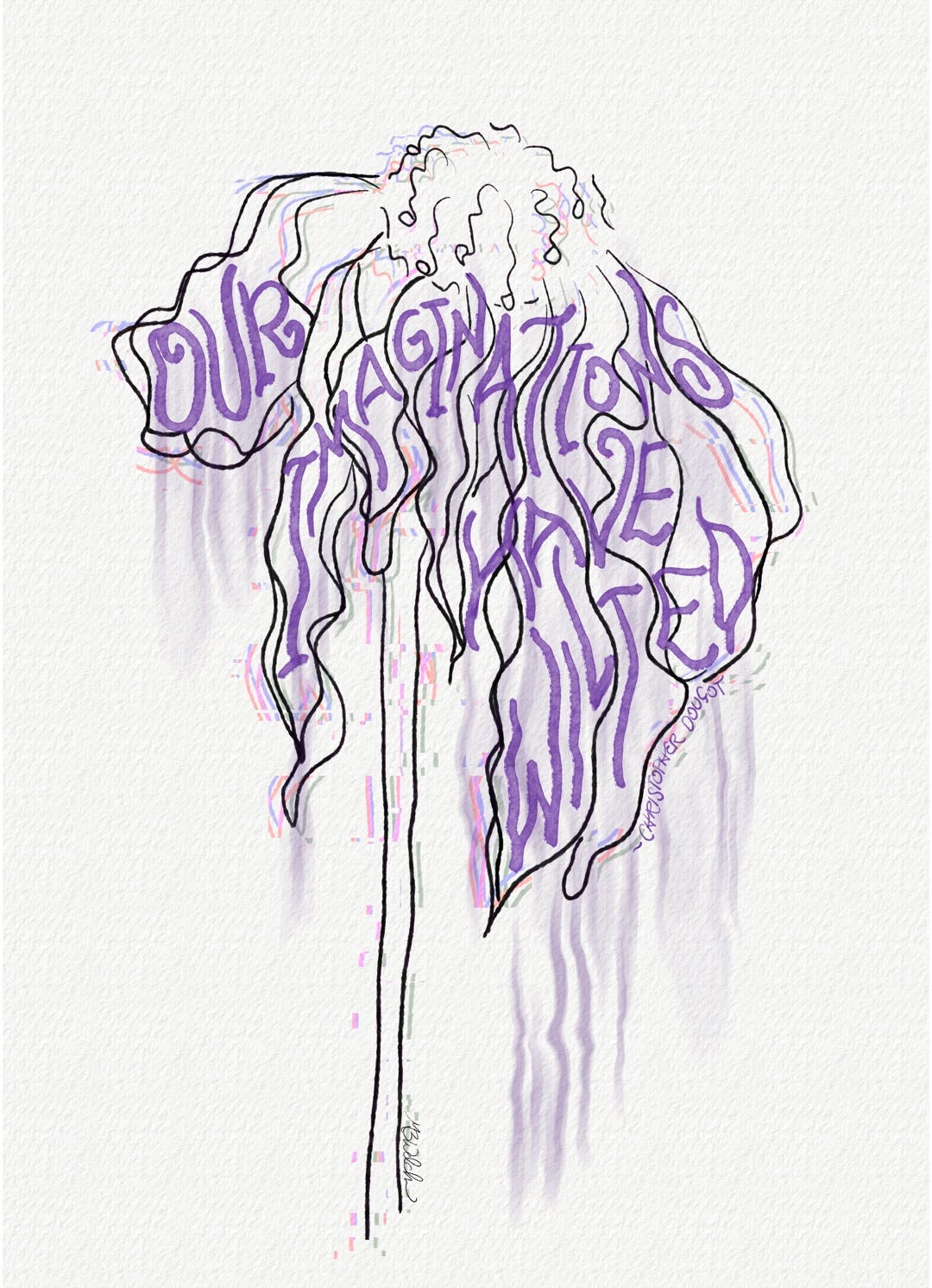
Ashley McCormick and Renée Roden gathered the thoughts of a dozen Catholic Workers and Roundtable readers who responded to a survey on artificial intelligence and shared their thoughts via phone, Zoom, and written word.
Although their reflections ranged widely, they returned repeatedly to four interrelated concerns: the ways technology alters the human person; Douçot’s warning that machines increasingly act upon us; the tendency of algorithmic binaries to entrench social divisions; and the erosion of nuance, imagination, and “negative capability”: our capacity for wonder, awe, and mystery.
Throughout the sea changes of the industrial revolutions, the Catholic Worker has stood with the teaching of the popes in sounding the alarm at how the sanctity of human creativity, the dignity of the laborer, her right to own and direct her own work, her own labor, and reap the rewards of its fruits, have been decimated, denigrated and attacked by the constant churn of unfettered capitalism, seeking profit above all else. In this “fourth industrial revolution,” as Pope Leo XIV calls it, Catholic Workers are again voicing their solidarity with the worker and their concern for the plight of manual laborers in a super-charged robotic age.
Thus, Catholic Workers are also resisting the machine: naming the ways in which it is devastating water supplies, overwhelming our infrastructure already groaning under the developed world’s clamorous appetite for electricity, and decrying its use in nuclear warfare and weaponry. Contracts from the Department of Defense are propping up the artificial intelligence companies—thus, war and “AI” technologies are strange and potentially deadly bedfellows.
Finally, Catholic Workers have a secret “weapon” of the Spirit: personalism. In an age of isolation, of “radical individualism” of a digital world that atrophies our abilities to rely on our neighbor, to take personal responsibility for our lives and our neighbor’s well-being, Catholic Workers venture into the digital abyss as “weavers of hope,” to use Pope Leo’s word, equipped with food for the journey: the philosophy of gentle personalism that Emmanuel Mounier, Peter Maurin, and Dorothy Day practiced in the midst of their own revolutions.
Read the full article here.
CWReads: Los Angeles Catholic Agitator on Artificial Intelligence
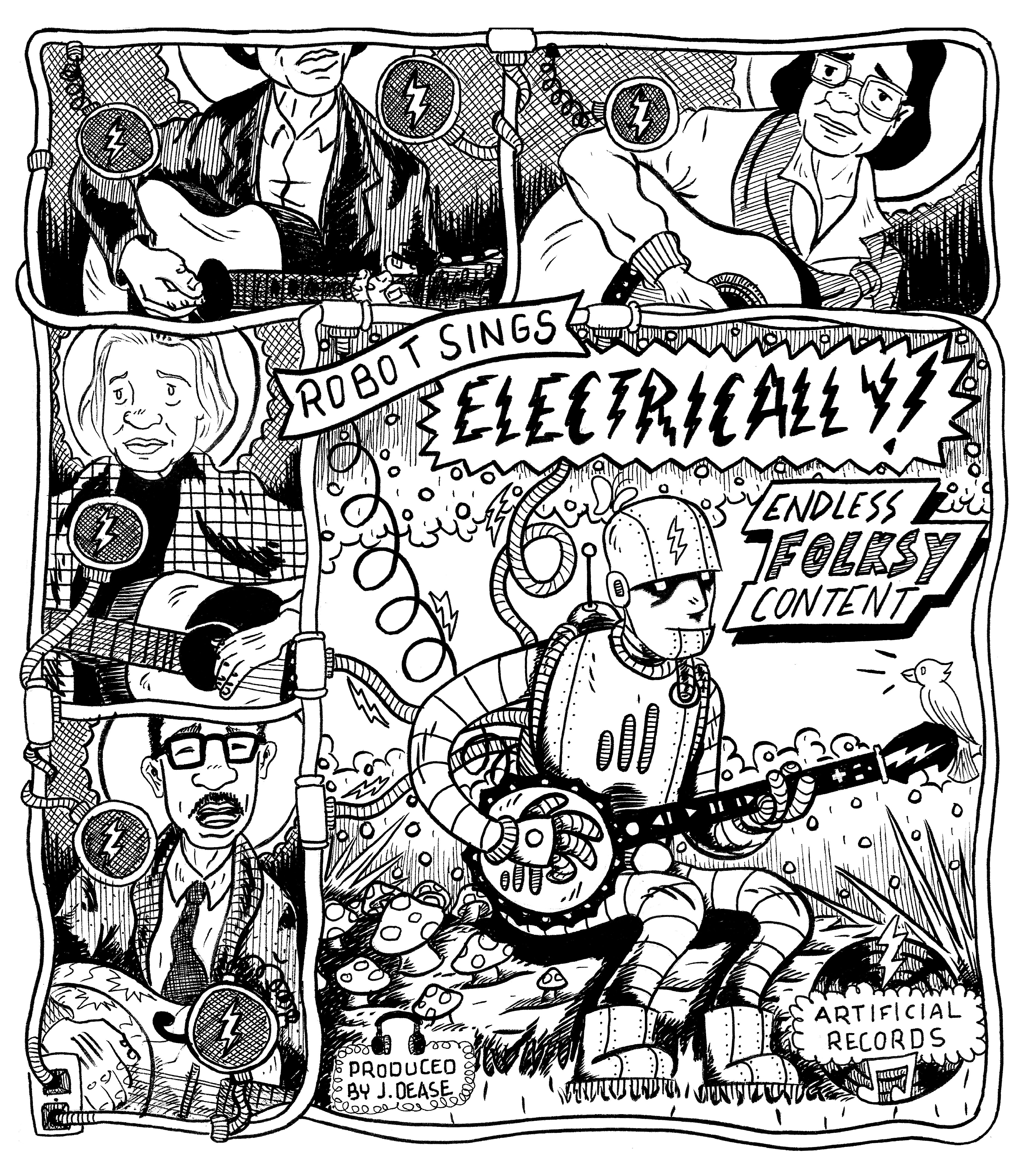
The February edition of the Los Angeles Catholic Worker’s Catholic Agitator was dedicated to artificial intelligence. We re-shared Joshua Dease’s cover art above, his artist statement, and Matt Harper’s article on how artificial intelligence caters to the lower common denominator, our “lesser demons.”
Harper writes:
We should worry about global homogenization as AI guides people towards particular ways of thinking. We should worry about the ways AI affirms people in their beliefs and thus encourages them to double down on whatever their perspective or value. As we await the technological advancement of quantum computing and the leviathan that will awaken in the world of AI, we should worry. And we should worry about that which risks undermining the value of art and music. We need avenues for the creative expression of our grief and the articulation of our truths. We must ensure we still have inspiring avenues to articulate what the future world we are dreaming of could look like: “Imagine all the people, living life in peace.” When all AI can offer today is the synthesis of what we have created, and the future of AI promises output created without experience, I refuse to sacrifice our poets and imaginers.
Yet more than all these, I worry about what AI accepts and accelerates in our continued process of de-humanization. Though our education systems are not always at their best, when they are, they teach us how to explore, to create, to interrogate, to labor, to build with others, and to celebrate and mourn. It may not be inevitable that we lose these all with AI, but even to lose some is too many. And at a time when loneliness is at epidemic proportions and modern society is infected by an anti-community plague, I fear anything that feigns a meaningful substitute for human connection. I resist the blind acceptance of anything that might undermine the value of hard work, risk-taking and the learning that comes from both. I reject anything that will likely lead us to exchange human relationship, mentorship, and physical touch for artificial intimacy.
Read more here.
COMMUNITY NEWS & NEWSLETTERS
Iowa City Resident Temporarily Safe from Deportation to Congo
Jose Yugar Cruz, who had an order of removal to the Democratic Republic of the Congo, has been given a temporary release from ICE custody, according to a press release from his community, the Iowa City Catholic Worker. The Democratic Republic of Congo is facing a massive Ebola outbreak. Cruz, a Bolivian immigrant and victim of torture, surrendered himself to border agents in Arizona in 2024. He was released when a judge ruled he was in danger of torture in his home country of Bolivia and his detention was unlawful. He was re-detained in April of 2026 when the war-torn Congo agreed to accept third-country migrants. Because of the Ebola outbreak, which has killed more than 200 people, Cruz’s removal has been paused. Read more about Cruz’s story here.
June Catholic Agitator Says to “Fire the Landlords”
The June edition of the Catholic Agitator out of Los Angeles tackles the issues of labor, rent, and land justice. The opening essay is an interview with Leonardo Vilchis, an organizer of the Los Angeles Tenants Union and the co-author of a new book “Abolish Rent,” on how tenants can fix the housing crisis. Eric Anglada of St. Isidore Catholic Worker Farm in Cuba City, Wisconsin, contributed an editorial about land justice, in which he shares stories of land justice happening all over Turtle Island — the Indigenous name for North America. He shares stories of meaningful action:
In upstate New York, the BIPOC-led Soul Fire Farm is one of the most exciting land-based communities in the country. Since 2010, they have built over a foot of topsoil while offering “solidarity shares” of food to low-income folks in Albany— all while training the next generation of Black and Indigenous farmers. Soul Fire collaborated with the Northeast Farmers of Color in order to create a “Reparations Map,” which enables white folks a chance to offer direct reparations to BIPOC farmers with tools, money, or land. “Our food comes from the earth, from the soil, from the land,” says Leah Penniman, one of the farm’s co-founders. “And if we don’t own any and we don’t control any of it, we don’t really have a voice in the food system.”
Read the full issue online here.
The Catholic Radical Celebrates 40 Years of Work
The 40th anniversary edition of The Catholic Radical celebrates the “second 20 years” of the Saints Francis and Thérèse Catholic Worker in Worcester, Massachusetts. Scott and Claire Schaeffer-Duffy have traveled many miles—literally. An overview of the life and work of the house since 2007 charts fact-finding missions to Afghanistan, protests, vigils, marches and arrests in Nevada, Washington, D.C., Rome and Gaza. They have also run several races—including the Worcester half-marathon—with other Catholic Workers and ran the good race of hiking the Camino de Santiago in Spain in 2024. They note the many hundreds of guests sheltered over the course of 20 years; share Emma Lazarus’ poem in honor of the United States’ 250th birthday and end with an inspiring story of a new partnership and project engaging young college students. Although the house is celebrating 40 good years, there is still more work to be done. A small cohort of Holy Cross students have brought new life out of a garden project grown fallow—a little bit of the new world coming out of the shell of the old—cult, culture, and cultivation resisting empire from one small block on Mason Street.
Read the full issue here.
La Sagrada Familia Switches to Substack
La Sagrada Familia launched a new format for the electronic edition of the newsletter, publishing it on their Substack, which also serves as their community website. They share updates from their community, including a retreat that ended in a joyful bilingual contradance for their community, an example, Bethany Hobbs wrote, of the “duty of delight.” They shared more information about their fundraising hopes and plans, their decision to become a 501(c)(3), and their board and how they remain grounded in Catholic Worker principles throughout their discernment. Hobbs writes:
‘It Takes a Lot of Rich People to Keep the Catholic Worker Poor.’ We laughed when an elder in the Catholic Worker movement shared this quote with us, attributed to Dorothy Day. We understand the quote to name a phenomenon we have found to be true: choosing to live by voluntary simplicity, rather than a wage or salaried position, requires the support of many generous laborers.
Learn more about their plans and read more at their Substack here.
House of Grace Pentecost Newsletter Celebrates the “Spirit of the Catholic Worker”
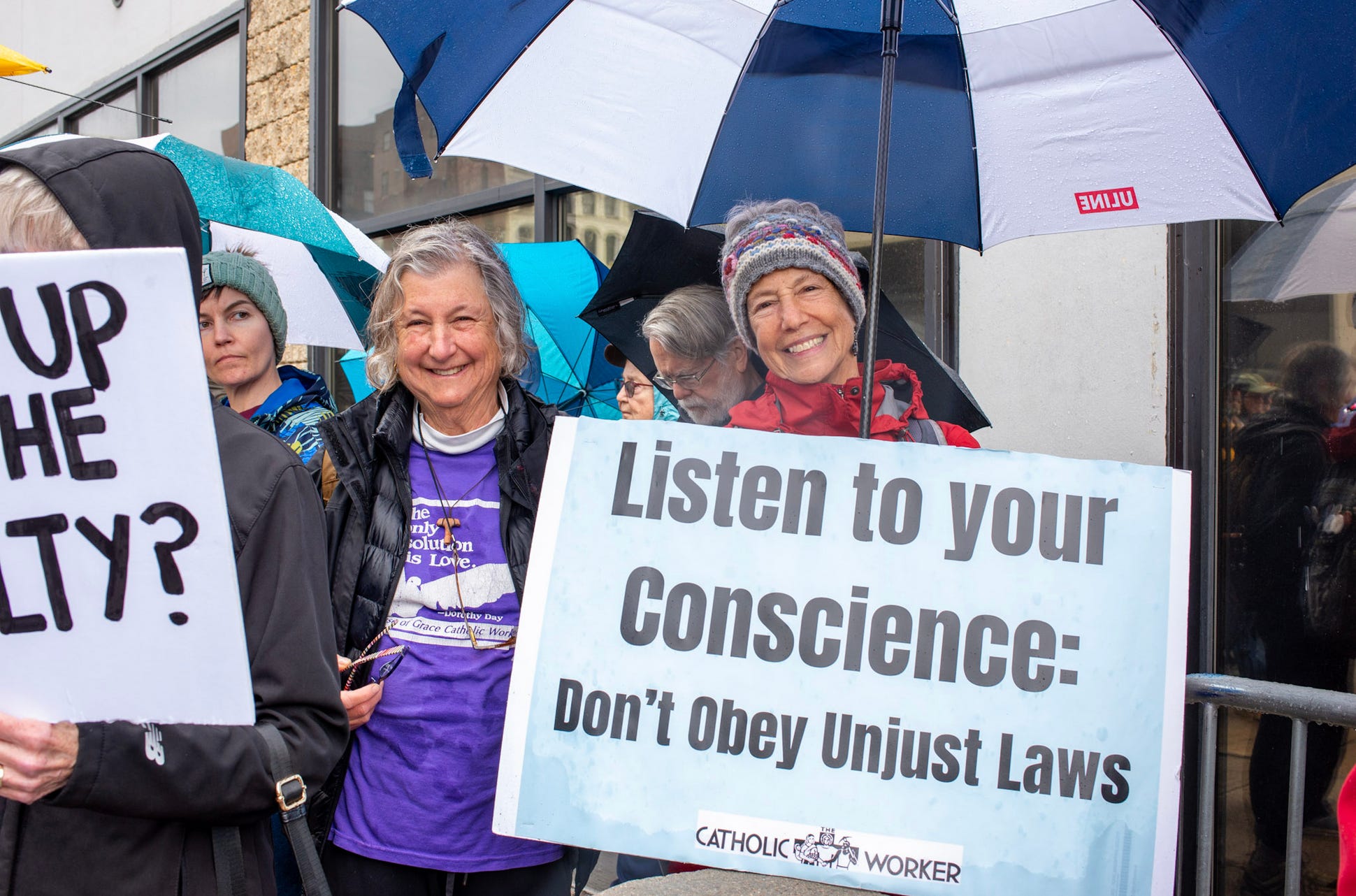
In a Pentecost update, Mary Beth Appel and Joanna Berrigan of House of Grace (Philadelphia, Pennsylvania) share updates from the community. They especially highlight the vigil they participated in outside of Philadelphia’s ICE office in April. They write: “We are grateful to everyone who joined House of Grace CW for New Sanctuary Movement’s Interfaith Prayer Vigil for Immigrant Justice outside the ICE office in April. The rain did not stop people from coming out. We stood with our immigrant and refugee neighbors and prayed and sang for justice. It was wonderful to see so many long-term friends and supporters gathered together.”
They share more news from their clinic in Philadelphian, from the neighborhood of Kensington, and a reflection from one of their long-time volunteers, Lauren Grace, on how the Catholic Worker impacted her life. Lauren makes a case for hope and persistence in the midst of a world that seems more chaotic and violent by the day:
Some days it is easier than others to believe that our work is enough. There are days when the shower list is full and patients are turned away in frustration; days when a patient struggling with addiction finally chooses to get help—a call is made to outreach only to have the patient leave before the outreach worker can arrive; days when the clinic feels chaotic and busy, tensions running high.
Read the reflection of one of their volunteers, Lauren Grace, here.
Staten Island Catholic Worker Expanding Soup Kitchen
The Staten Island Catholic Worker shared photos of the volunteers who help run their Wednesday soup kitchen. They hope to expand the soup kitchen for Sundays, and they ask for volunteer help and financial donations through their Zeffy page to make this expansion possible. To learn more about their foster parent support, sandwich outreach, and community meals and other updates, subscribe to their newsletter through their website.
Anathoth Community Farm on Soil Health
Mike Miles of Anathoth Community Farm (Luck, Wisconsin) shared a video on how his cows contribute to the soil health of his farm. Watch below:
Appalachian Used Book Giveaway Raises Money for Chicken Farming
The Appalachian Catholic Worker in West Virginia is running a used books giveaway to raise money for their chicken fund which allows them to give away free eggs to anyone in need and to “supply, teach, and help others who want to start their own flocks for self-sustainability.”
Although they have given away most of their “classic Catholic Worker” titles by Day, Maurin, the Berrigans and others, they are offering books they think Catholic Worker libraries might desire: “classic novels, collections of poetry, essays, & plays, philosophy, technology, natural history, social & political science, architecture, as well as books by African, Indian, and Middle Eastern authors.”
They invite interested parties to check out the available titles and to share widely.
Dorothy Day Guild Quarterly Meeting
The Dorothy Day Guild held their quarterly meeting on Wednesday. Roughly 50 attendees from all over the country joined via Zoom. The Guild shared highlights from their year thus far, including their Rome pilgrimage and meeting with the Dicastery for the Saints, the walking tours of lower Manhattan that highlight Dorothy Day’s life, and the dedication of Pineapple Street in Brooklyn as Dorothy Day Way.
“Naming something is not just about honoring the legacy but also inspiring others to imitate what they did,” said a luminary speaking at the street dedication. By naming the street Dorothy Day Way, Brooklynites were being invited to walk in Dorothy Day’s steps: “How can I do a little more to advance peace? How can I do a little more to advance social justice?”
Waldery Hilgeman, the postulator for Dorothy Day’s sainthood cause, spoke via video message from Rome. He said that the biography and summary of witness statements were complete. They invited members to share stories of Dorothy Day’s intercession: favors, graces and miracles received after praying to Dorothy Day. Learn more on the Guild’s website.
CW IN THE MEDIA
Catholic Workers Join Elizabeth, New Jersey Port Blockade
Several Catholic Workers were among ten demonstrators arrested Friday morning after blocking the entrance to a port terminal in Elizabeth, New Jersey, in an attempt to stop a weapons shipment they say was bound for Israel. Protesters chained themselves together and underneath vehicles, disrupting operations at the terminal for several hours before police used power tools to free them. All ten were later released.
See more on Instagram:
Muslim Interfaith Activist Shouts out Catholic Worker Experience
Eboo Patel, the founder of Interfaith America, shared his experience of encountering Catholic Worker houses during his time as an undergraduate. Patel writes in the Chronicle of Philanthropy:
The greatest opportunities to learn often come from those who have a different orientation than you. I’m Muslim, but I first learned about the power of faith in social change from staying at Catholic Worker houses during college. I saw in their example people who were more committed to serving human beings than defining themselves against an enemy. They built institutions around that godly ideal.
Read the full speech here.
Fritz Eichenberg Article Features the Biography of a “Sensitive Child”
Writer Jessica George shared a beautiful biography of Quaker artist Fritz Eichenberg’s life and work on JSTOR. Eichenberg created some of the most illustrious and famous pieces of Catholic Worker art, and his atmospheric style has influenced a number of Catholic Worker artists throughout the movement. George covers Eichenberg’s Quaker philosophy, his love of literature, and of course, his contributions to the Catholic Worker newspaper. Illustrated with many beautiful examples of Eichenberg’s woodcuts. Read more here.
Oxbow Farm Featured as an Example of Sustainable Farming
Oxbow Farm (Parkton, Maryland), a farm in the Catholic Worker tradition, was featured in an OSV article also republished in the National Catholic Reporter about soaring fertilizer prices. Oxbow Farm, which strives to practice organic farming has been partially insulated from the soaring, devastating costs of fuel and fertilizer due to the war in Iran.
John Dougherty, an assistant professor of economics at Loyola University Maryland who assists his wife and Oxbow Farm manager Julie Laudick Dougherty, said at the beginning of the spring planting season that farmers who had yet to purchase fertilizer would experience an unexpected, “huge cost shock.”
As both a farmer and an economics professor, Dougherty — who earned a doctorate in agricultural, environmental and developmental economics from The Ohio State University– is equipped with a unique perspective concerning the current situation.
Read the full story here.
Roundtable Editor on Becoming a Catholic Worker
Roundtable Editor Renée Roden spoke with the Moral Revolution podcast about how she became a Catholic Worker, Tolstoy and the pacifist tradition of Catholic anarchism that inspires the Catholic Worker movement, and Peter Maurin’s vision of anarchist monasticism as a form of the reconstruction of the social order. Listen below:

MARK YOUR CALENDAR
Creation, Food and Agriculture Class from Maurin Academy
Laurie Johnson will teach a free five-session online course on “Creation, Food and Agriculture” on the five Mondays of June, beginning June 2. Sessions run 7–8:30 p.m. CT. No required reading. Register and join via Zoom.
The Catholic Worker of Amsterdam Celebrates its 38th Birthday!
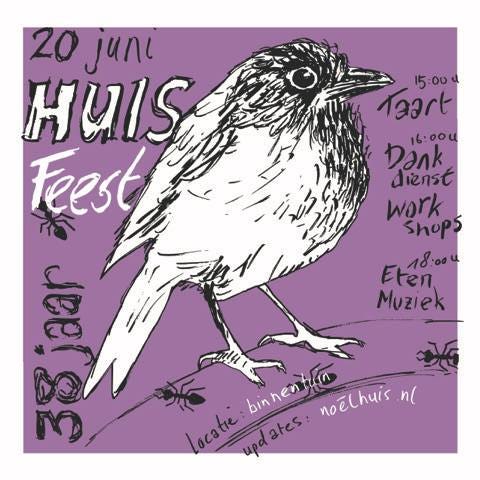
The Amsterdam Catholic Worker’s Jeannette Noëlhuis is celebrating its 38th anniversary. The community shared on its website:
You are very welcome to our house party on June 20th (from 15:00 o'clock) in the courtyard of our block! Feasting, workshops, parties and prayer - it can all be done together!
See more details and learn more on Facebook here.
SAVE THE DATE: September 10-13 - Sugar Creek CW Gathering
The Midwest Catholic Worker Gathering at Sugar Creek, Iowa, will take place the weekend of September 10-13, 2026. Mark your calendar and stay tuned for more information! You do not have to be living in an existing Catholic Worker community to attend.
WORDS FROM THE ELDERS
“Reflections on Work”
by Dorothy Day, from the March 1947 issue of The Catholic Worker
This issue of work, of property, of the social order, is so big an issue that it is hard to deal with it, to make our readers understand, even to make our own lay apostles understand. When we joined in the past with workers in a strike, or wrote about strikes, contributed to the resources of workers by running a soup kitchen as in the seamen’s strike, by talking about such issues as wages and hours, many of our own did not understand why we went into these issues. I believe we must be on all fronts, must work on all fronts. We must begin somewhere. We cannot leap back a mile in retracing our steps but go back a step at a time to that point where there can be a restoration of property. How can the worker get back to the ownership of property unless he has a wage which will enable him eventually to become an owner; a wage sufficient to let him save not only for education of the children, for sickness, for old age, but for ownership. And ownership not only of homes but of the means of production, which does not necessarily mean large factories.
Read the full reflections here.
Personalism is exactly the right lens — the whole question routes through the person, not the machine. AI reflects whoever holds it and means nothing on its own; the dignity and the danger both live in the human. Wrote a book in the same key, free thru 6/3: amazon.com/dp/B0H3HY8W9F
In The Hitchhiker’s Guide to the Galaxy, Douglas Adams joked that philosophers demanded “rigidly defined areas of doubt and uncertainty” once a machine started producing answers. The modern AI panic has created the same economy. Vast numbers of academics, ethicists, and professional critics now make careers denouncing systems they scarcely understand, because alarmism pays better than technical competence and confusion is easier to sell than clarity.
https://jbsections.substack.com/p/academics-denouncing-aino-technical